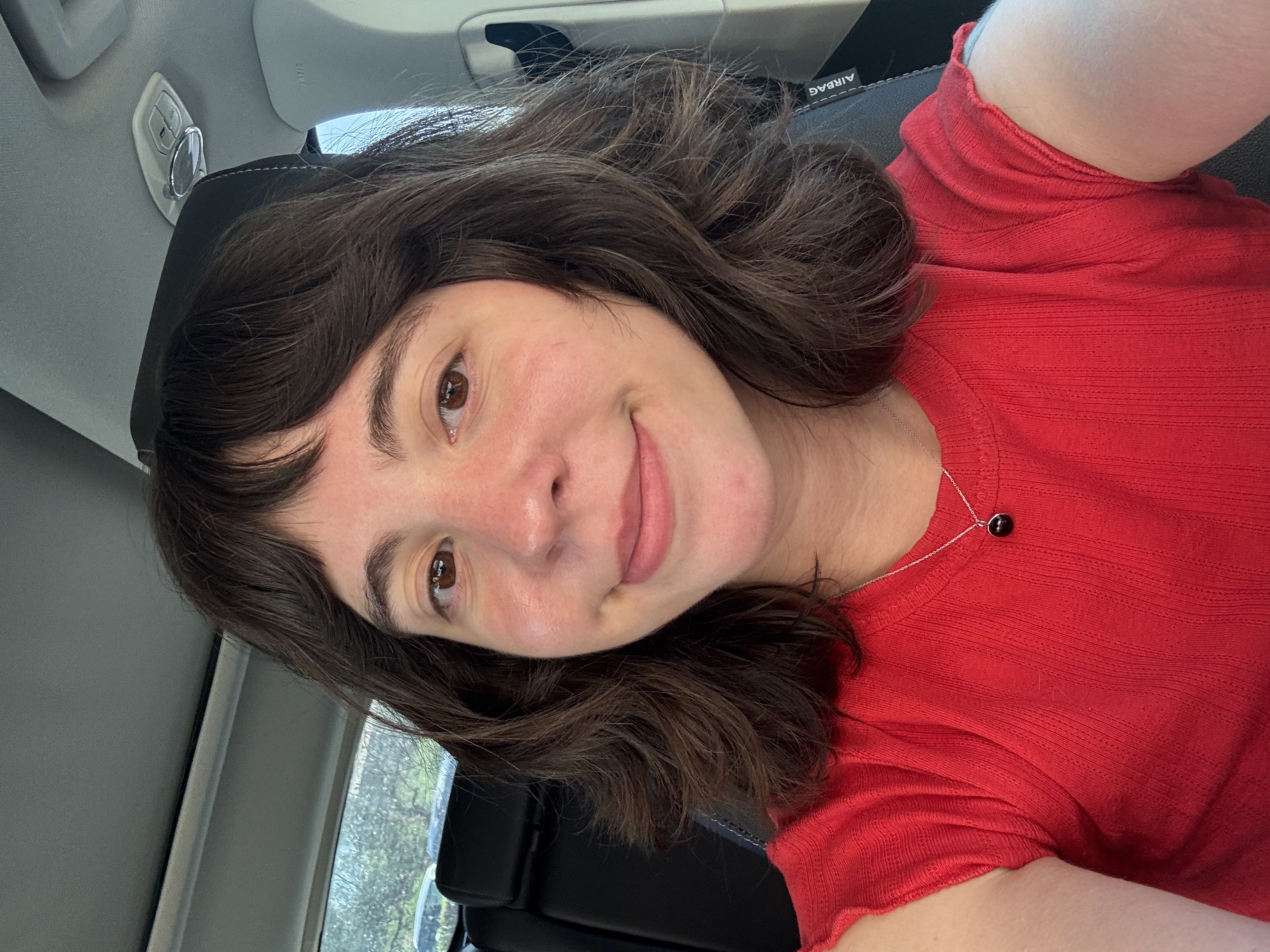
Postdoctoral Researcher · Planetary Science

Exploring how our solar system came to be

I am a planetary scientist interested in the formation and evolution of our solar system. I primarily use computational modeling to explore relationships between solar system components.

Research

01 · Current Work

Simulating ice-rock mixtures to develop the IVANS model for chondrule formation

LPSC 2026 ↗

Primitive planetesimals in the dusty solar nebula were composed of rock and volatile ice mixtures. Collisions between such bodies can vaporize volatiles while only slightly warming rock. The supersonic expansion of the resulting impact vapor plume can shock nebular dust into chondrules, and the collapse of the plume collects a size-sorted, chondritic mixture. Accurate physical and chemical modeling of these interactions may provide crucial links between the meteoritic record and planet formation.

IVANS Vapor Plume Modeling Chondrites Planetesimals In Progress

02 · Published

Chondrule formation indicates protracted growth of giant planet cores

Icarus ↗

Combining LIPAD simulations of giant planet core accretion with iSALE simulations of planetesimal collisions, we find that impact jetting can produce chondrules to distances of ~15 AU from the Sun. Our results suggest Jupiter's core may have formed after most chondrules, 3–4 Myr after CAIs.

iSALE LIPAD Giant Planet Formation Jupiter Icarus 2024

03 · Published

Europa's double ridges produced by ice wedging

JGR Planets ↗

Using analytical and numerical finite element models, we quantify the deformation that occurs as an ice wedge grows incrementally within Europa's ice shell. Incremental growth of the ice wedge produces surface deformation matching the size and shape of typical Europan double ridges, including topographic relief and surrounding troughs.

Finite Element Modeling Europa Ice Shell JGR Planets 2023

04 · Published

Chondrule formation via impact jetting in the icy outer solar system

Icarus ↗

Impact jetting during planetesimal collisions ejects small amounts of highly shocked material during the earliest stages of an impact. We use the iSALE shock physics code to investigate the viability of jetting for producing chondrules in the outer solar system, where ice-rich bodies begin to be incorporated into the planetesimal population.

iSALE Impact Jetting Chondrules Outer Solar System Icarus 2022

About

Melissa D. Cashion

Melissa D. Cashion, PhD

Postdoctoral Researcher

I am a planetary scientist interested in the formation and evolution of our solar system. My research spans chondrule formation, giant planet growth, and icy moon geology — all approached through the lens of computational modeling.

I am currently a postdoctoral researcher at Arizona State University, where I continue developing models that link the abundant meteoritic record to the broader story of how planets form and migrate.

Shock Physics (iSALE) N-body Simulations (LIPAD) Finite Element Modeling IVANS Planetary Formation Meteoritics

Experience

2024 — Present

Postdoctoral Researcher

Arizona State University

Continuing research on chondrule formation and planetesimal collisions, with a focus on developing the IVANS model for ice-rock mixture simulations.

2020 — 2024

PhD, Planetary Science

Purdue University

Dissertation research on chondrule formation via impact jetting, giant planet core growth timescales, and Europa's surface geology using computational modeling.

2016 — 2020

BA, Physics

Texas A&M University

Minors in Astrophysics and Mathematics.